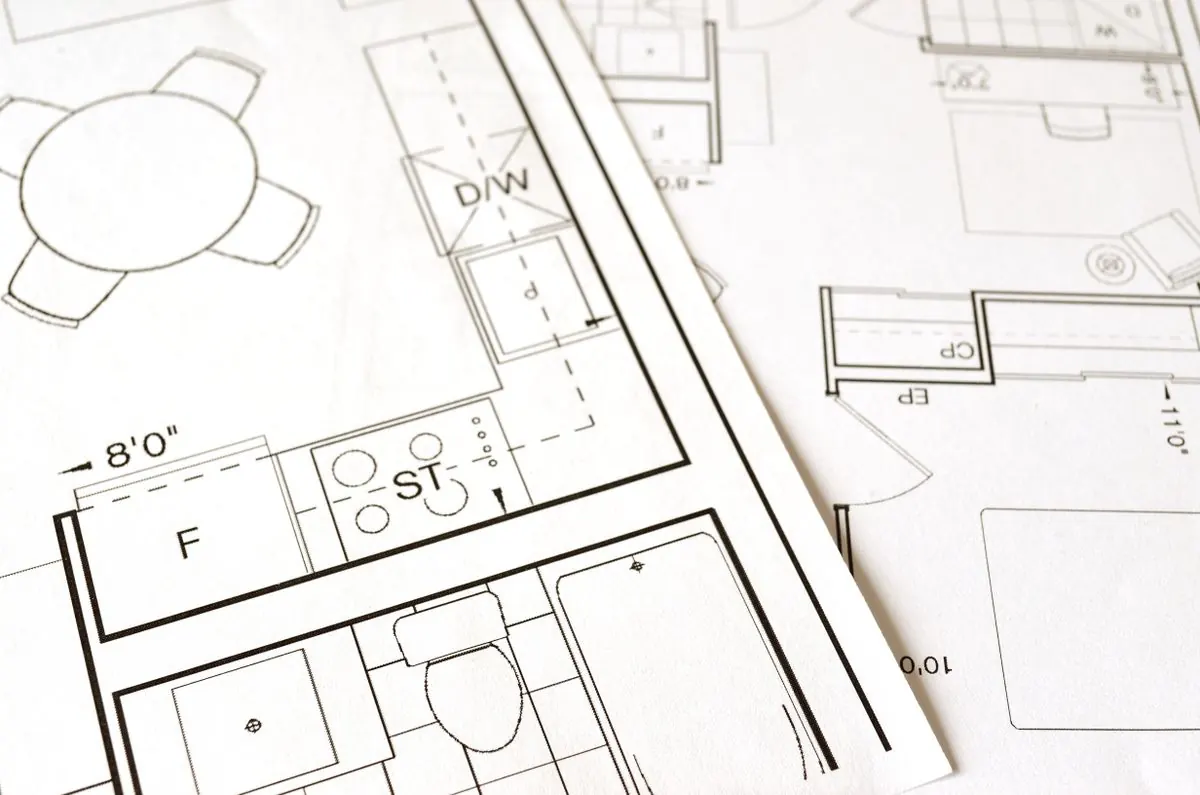
Virtual staging, and the line you should not cross
Furnishing an empty room digitally is legitimate and effective. Removing a problem is neither, and buyers can tell.
Furnishing an empty room digitally is legitimate and effective. Removing a problem is neither, and buyers can tell.
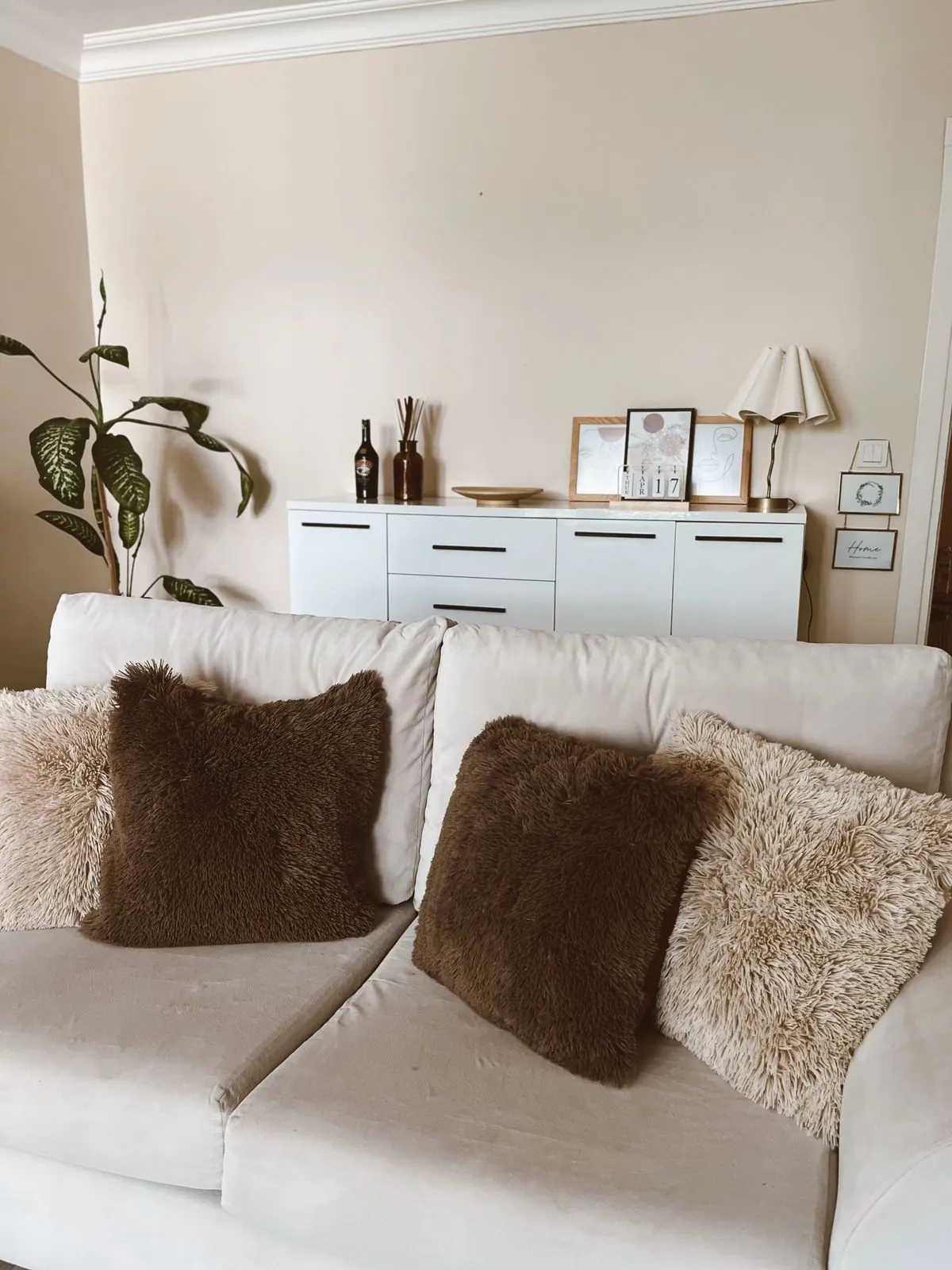
An empty room photographs badly and shows badly. Buyers are poor at judging scale without furniture, and an unfurnished house reads as a house nobody wanted. Virtual staging fixes a real problem: it puts a sofa in the room so the eye has something to measure against, and it does so for a fraction of what physically dressing a property costs.
It also sits next to a line that is easy to step over without noticing, and stepping over it costs more than the staging saved.
The UK rule of thumb is that a listing must not mislead, and the practical version is that any digitally furnished image should say so. It costs you nothing. A buyer who reads "virtually staged" under a photograph understands exactly what they are looking at, and one who works it out for themselves in the hallway has stopped trusting the rest of the listing too.
The reason to be careful is not the regulator. It is that the viewing is where the money is, and a viewing that begins with a buyer feeling tricked is a viewing you have already lost.
Photography, floor plans and 360° tours, with the listing drafted for you to approve. Rolling monthly, no lock-in.